
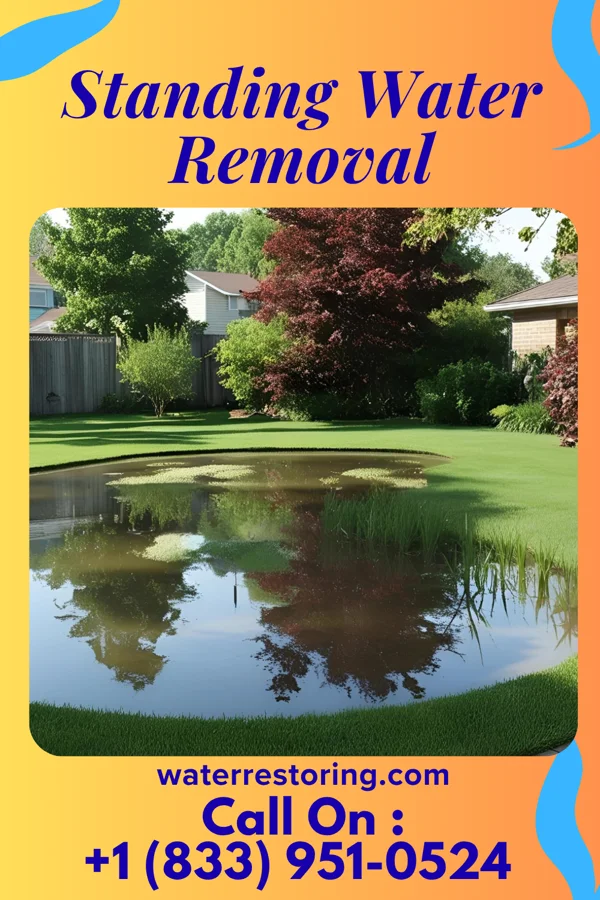
Common Standing Water Causes in Toms Brook
Most standing water removal calls in Toms Brook come from In Toms Brook, Virginia, primary water damage often stems from heavy rainfall and flash flooding, especially during spring thaw and summer storms. The rural setting and proximity to creeks like the Shenandoah River increase the risk of sudden water intrusion into homes and businesses.. A close second is Secondary causes include leaking roofs, burst pipes, and malfunctioning sump pumps. In a rural area like Toms Brook, aging infrastructure and lack of regular maintenance can exacerbate these issues, leading to prolonged water exposure.. If you know what is about to happen, the decisions during the first 48 hours get a lot easier.
Toms Brook experiences a humid continental climate with significant rainfall, particularly in the spring and early fall. This climate, combined with the surrounding natural terrain, creates a high risk of water accumulation and damage to local properties.
Most standing water removal calls in Toms Brook come from In Toms Brook, Virginia, primary water damage often stems from heavy rainfall and flash flooding, especially during spring thaw and summer storms. The rural setting and proximity to creeks like the Shenandoah River increase the risk of sudden water intrusion into homes and businesses.. Running a close second is Secondary causes include leaking roofs, burst pipes, and malfunctioning sump pumps. In a rural area like Toms Brook, aging infrastructure and lack of regular maintenance can exacerbate these issues, leading to prolonged water exposure.. Local mold risk: Mold growth can quickly become a serious issue in Toms Brook due to the high humidity and frequent rainfall. Prompt water damage restoration is critical to prevent mold from spreading and compromising indoor air quality.